When you are planning an event, it is easy to focus on the venue, suppliers, entertainment, staffing and guest experience. But one of the most important parts of event planning is making sure the right first aid and medical cover is in place.
Whether you are organising a small community event, a corporate function, a sporting event, a festival, a charity fundraiser or a large public gathering, accidents and medical incidents can happen at any time. The level of first aid for events will vary depending on the size, location and risk profile of the event, but the principle is always the same: people need to be able to access safe, professional support quickly if something goes wrong.
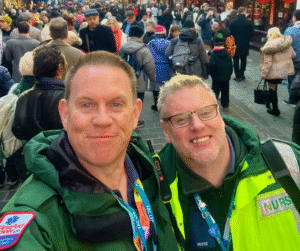
At First Aid Cover, we provide event first aid and medical cover in London and across the UK, supporting events of all sizes. Our teams are fully trained, vetted and insured. We also supply emergency vehicles, treatment centres and tailored medical planning documentation on request.
Why First Aid for Events Matters
Every event carries some level of risk. Even a low-risk event can involve minor injuries, slips, trips, fainting, dehydration, panic attacks, allergic reactions or sudden illness. Larger or higher-risk events can require more advanced medical support, especially where there are large crowds, alcohol, physical activity, outdoor conditions, road closures or restricted site access.
Having professional first aid cover at your event helps to:
- Provide fast support when someone becomes unwell or injured
- Reduce pressure on NHS ambulance services where appropriate
- Reassure attendees, staff, performers and suppliers
- Support licensing, council and Safety Advisory Group requirements
- Help organisers manage risk in a structured and documented way
- Keep the event running safely and professionally
For many organisers, first aid cover is not just about responding to emergencies. It is also about prevention, reassurance and having a clear plan in place before the event begins.
Is First Aid Cover Required at Events?
Event organisers have a responsibility to think carefully about the health, safety and welfare of people attending and working at their event. The exact level of first aid or medical cover required will depend on the type of event, the number of people attending, the activities taking place and the risks involved.
For example, a small indoor business event may only need a small first aid presence. A large outdoor music event, marathon, carnival or public celebration may need a much wider medical plan, including first responders, ambulance crews, paramedics, doctors, cycle response teams, treatment centres and emergency vehicles.
Local authorities, venues, licensing teams or Safety Advisory Groups may also ask to see evidence that suitable medical arrangements are in place before approving an event.
This is why it is important to plan early and work with an experienced event first aid provider.
What Type of Event First Aid Cover Do You Need?
There is no one-size-fits-all answer. The right cover depends on the event itself. A professional provider should assess your event and recommend a proportionate level of support based on risk.
Key factors include:
1. Event Size and Attendance
The number of attendees is one of the first things to consider. A private event with fewer than 500 guests will usually need a very different level of support to a city-wide public event with thousands of people moving across multiple areas.
The expected peak attendance matters too. If your event is likely to have sudden crowd surges, busy arrival times or concentrated high-footfall periods, this may affect how medical teams are positioned.
2. Event Type and Activities
Some events naturally carry more risk than others. Sporting events, obstacle races, festivals, concerts, carnivals, parades and large outdoor gatherings often need more robust cover than seated conferences or indoor corporate events.
Activities involving physical exertion, alcohol, crowds, temporary structures, vehicles, pyrotechnics, animals, water, extreme weather exposure or vulnerable groups should all be considered as part of the medical risk assessment.
3. Location and Site Access
The location of your event can significantly affect the medical plan. A central London event with road closures may need cycle response teams or rapid response vehicles to reach patients quickly. A rural event may need ambulance support on site because NHS access could take longer.
Site layout is also important. Large venues, multi-zone events, festivals, parks and public spaces often need clearly positioned first aid points, roaming first aiders or medical teams and communication between medical teams, stewards and event control.
4. Audience Profile
The people attending your event can influence the level of first aid cover required. For example, events involving children, older people, people with disabilities, high-energy crowds, athletes or large numbers of tourists may need additional planning.
Audience behaviour should also be considered. An evening music event with alcohol may carry different risks to a daytime family event, even if the attendance numbers are similar.
5. Event Duration
A short event may only require cover for a few hours, while a full-day event, multi-day festival or overnight production may need rotating teams, rest periods, treatment facilities and more detailed medical planning.
The longer an event runs, the more important it is to plan for fatigue, changing weather, crowd movement, dehydration, food-related illness and other issues that may develop throughout the day.
What Can Event First Aid Cover Include?
Event first aid can range from a small team of trained first aiders to a full medical operation with ambulance crews, paramedics, nurses, doctors and treatment centres.
Depending on your event, cover may include:
First Aiders and First Responders
For smaller or lower-risk events, trained first aiders or first responders may provide the right level of initial support. They can assess patients, treat minor injuries, provide reassurance and escalate concerns if further care is needed.
Ambulance Crews and Emergency Vehicles
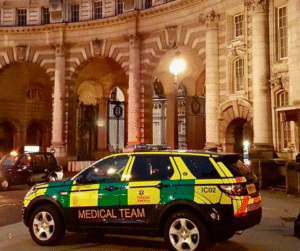
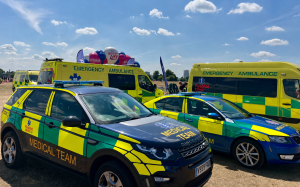
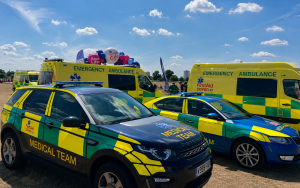
Some events require ambulance crews, 4x4s, rapid response cars or fully equipped ambulances on site. These vehicles can support emergency response, patient movement and escalation where hospital transfer is required.
At First Aid Cover, our emergency ambulances and response vehicles are GPS-tracked, allowing teams to be dispatched efficiently across the event site.
Paramedics, Nurses and Doctors
Higher-risk events may require more advanced clinical support. This could include paramedics, nurses, doctors or critical care clinicians, depending on the event’s scale and medical risk profile.
This is particularly important for large festivals, sporting events, major public gatherings, events with complex access arrangements or events where serious medical incidents are more likely.
Cycle Response Teams
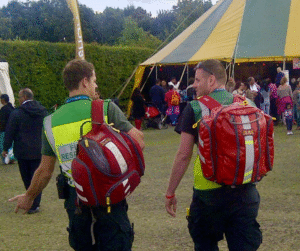
Cycle response teams are especially useful for busy outdoor events, road closures, festivals, marathons, stadiums and city centre events. First aiders or medical team members on bikes can often reach patients faster than vehicles in crowded areas, helping to stabilise patients while additional support is dispatched if needed.
Medical and Treatment Centres
For larger events, an on-site medical or treatment centre can provide a visible and structured point of care. These facilities can be used for triage, minor injuries, observation and more serious incidents, depending on how the event medical plan is designed.
Treatment centres can also help reduce unnecessary hospital transfers by allowing suitable patients to be assessed and managed safely on site.
Event Risk Assessments and Medical Planning
A professional event medical provider should not simply send staff to site without understanding the event. The right level of cover should be based on a proper risk assessment.
This may include reviewing:
- The event type and activities
- Expected attendance and peak crowd numbers
- Audience profile
- Venue layout and access routes
- Weather and environmental risks
- Alcohol or substance-related risk
- Distance from local NHS services
- Licensing or council requirements
- Emergency procedures and escalation routes
For larger or more complex events, a Medical Operational Plan can also be created. This gives organisers, local authorities, Safety Advisory Groups and other stakeholders a clear overview of the medical arrangements for the event.
Examples of Different Levels of Event First Aid Cover
A small corporate event may only need a small first aid team on site for reassurance and minor incidents.
A charity walk or community fun run may need first responders, mobile medical support and a clear plan for managing injuries, dehydration or fatigue.
A sporting event may require first aiders, paramedics, ambulance support and response teams positioned around the course or venue.
A festival or large public event may need a full medical plan, including treatment centres, cycle response teams, ambulances, emergency dispatch, paramedics, doctors and clear integration with event control.
The key is making sure the cover matches the event, rather than choosing a generic package.
Why Work With a Professional Event First Aid Provider?
Using a professional provider gives organisers confidence that the event has been assessed properly and that the right people, equipment and systems are in place.
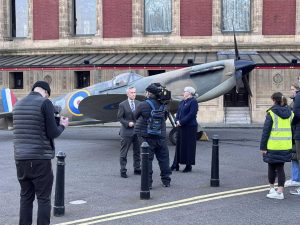
At First Aid Cover, our teams are fully vetted, trained, uniformed and DBS-checked. We provide medical cover for events in London and across the UK, supporting everything from private gatherings and corporate events to major festivals, sporting events, TV and film productions, charity events and local authority events.
Our teams have been present at a large proportion of London’s high-profile and large-scale events over the years, giving full peace of mind to any new clients.
Our services can include:
- First aiders and first responders
- Emergency ambulance crews
- Paramedics, nurses and doctors
- Ambulances, 4x4s and rapid response vehicles
- Cycle response teams
- Medical and treatment centres
- Event risk assessments
- Medical operational planning
We tailor every recommendation to the event, helping organisers provide safe, compliant and proportionate cover.
How Early Should You Book First Aid for an Event?
It is always best to arrange event first aid cover as early as possible, especially if your event requires council approval, a licence, road closures, a Safety Advisory Group review or a detailed medical plan.
Smaller events may be quicker to arrange, but larger events often need more planning time to assess the site, confirm staffing, allocate vehicles and prepare documentation.
If you are unsure what level of cover your event needs, the best first step is to speak to an experienced event medical provider such as First Aid Cover . All medical cover assessments are undertaken by an experienced registered healthcare professional. Utilising their extensive event experience and advanced clinical skill level, they are perfectly suited to ensuring the safest option for your event.
Get the Right First Aid Cover for Your Event
First aid for events should never be an afterthought. The right medical cover protects attendees, supports organisers and helps events run safely from start to finish.
Whether you need a small first aid team, an ambulance on site, cycle response team, paramedics, doctors or a full medical treatment centre, First Aid Cover can create a tailored plan for your event.
If you are planning an event in London or anywhere across the UK, contact First Aid Cover today to request a free quote and find out what cover you really need.