Charity runs and fun runs are some of the most popular mass participation events in the UK.
They are accessible, community-focused and a great way to raise money for important causes. But even when the atmosphere is relaxed, running events still need proper first aid and medical planning.
Unlike a seated corporate event or a small indoor gathering, a charity run involves physical exertion, moving participants, spectators, volunteers, route management and potential access challenges. Participants may include experienced runners, families, children, first-time runners and people who have not fully assessed their fitness before taking part.
That means first aid cover for charity runs and fun runs needs to be planned carefully. The aim is not to overcomplicate the event, but to make sure the right support is in place if someone becomes injured or unwell.
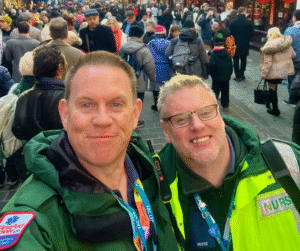
At First Aid Cover, we provide tailored medical cover for running events across London and the UK, supporting organisers with trained teams, AED provision, mobile response, treatment points and practical event medical planning.
Why Charity Runs and Fun Runs Need Specific First Aid Planning
Running events have a distinctive medical profile. While many incidents are minor, such as sprains, trips, cuts or dehydration, some situations can be more serious and require rapid response.
Common medical risks at charity runs and fun runs include:
- Musculoskeletal injuries, such as ankle sprains, knee pain or falls
- Heat exhaustion and dehydration
- Fainting or collapse after exertion
- Breathing difficulties
- Hypoglycaemia, particularly where participants have not eaten properly
- Cardiac symptoms or sudden cardiac arrest
- Minor wounds, blisters and abrasions
- Anxiety or panic symptoms before or after the run
The finish line is often one of the highest-risk areas because participants may push themselves harder towards the end of the route. It is also where people may stop suddenly, feel dizzy, become dehydrated or realise they have overexerted themselves.
For this reason, the medical plan for a running event should not only focus on the number of people taking part. It should also consider the route, the finish area, the weather, the audience profile, the terrain and how quickly medical teams can reach any point on the course.
What Are the First Aid Requirements for a Charity Run?
There is no single UK rule that says every charity run must have a fixed number of first aiders. The right level of cover should be based on a risk assessment.
Organisers should consider their responsibilities under health and safety law, venue or landowner requirements, insurance conditions, council expectations and any guidance from relevant sporting or event bodies.
For events involving public spaces, road closures, large numbers of participants or council permissions, organisers may be asked to provide a first aid or medical plan as part of the event approval process.
This may include details such as:
- How many first aiders or medics will be on site
- Where they will be positioned
- What equipment will be available
- Whether AEDs will be provided
- How incidents will be reported
- How the medical team will communicate
- How emergency services will access the route if needed
- Whether ambulance or mobile response support is required
The key point is that first aid cover for running events should be proportionate to the risk. A small school fun run will not need the same level of support as a large 10K, half marathon or city-centre charity race, but both still need a clear plan.
What Should Be Included in a Running Event Risk Assessment?
Before deciding what first aid cover is needed, organisers should review the specific risks linked to the event.
A running event risk assessment should consider:
- Expected participant numbers
- Spectator numbers
- Age and fitness level of participants
- Route distance
- Terrain and surface conditions
- Road closures or traffic management
- Weather and temperature
- Start and finish areas
- Water station locations
- Access points for medical teams and emergency services
- Areas with poor phone signal or radio coverage
- Previous incident history, if the event has run before
- Whether children or vulnerable groups are taking part
- Whether the event is competitive, timed or informal
A flat 2K family fun run in a park may be lower risk than a 10K road event with steep sections, limited vehicle access and hundreds of first-time runners. The medical plan should reflect those differences.
AEDs and Cardiac Response at Running Events
Sudden cardiac arrest during running events is rare, but it is one of the most serious medical emergencies linked to physical exertion. This is why AED planning is important.
AEDs, or automated external defibrillators, should be considered as part of the medical cover for running events. They should be positioned so they can be accessed quickly, particularly around the start, finish, medical post and higher-risk areas of the course where appropriate.
It is also important that the medical team, event staff or designated responders know where the AEDs are and how they will be accessed in an emergency.
Good AED planning should include:
- AED locations marked on the route map
- Clear communication between event control and medical teams
- Staff trained in CPR and AED use
- A plan for rapid response to collapse
- Access routes for ambulance crews if required
- A clear escalation process for calling 999
For larger or higher-risk running events, organisers may need multiple AEDs positioned across the course, supported by mobile medical teams.
How Many First Aiders Do You Need for a 5K or 10K Run?
The number of first aiders needed for a charity run, fun run, 5K or 10K depends on the event risk assessment.
Important factors include:
- How many people are taking part
- Whether the route is circular, linear or spread across a large area
- Whether the event is in a park, on roads or across mixed terrain
- How easy it is for medics to access the course
- Whether participants include children, older runners or first-time runners
- Weather conditions
- Whether the event is timed, competitive or high-intensity
- How far the event is from local ambulance and hospital services
For smaller running events, organisers may start by considering first aid provision at the finish area, along the route and at higher-risk points. However, staffing levels should always be confirmed through a proper risk assessment or with advice from a professional medical provider.
Larger events may need a more structured medical plan, including first aiders, mobile response, paramedic-level support, ambulance provision and a staffed treatment point.
Why the Finish Line Needs Medical Cover
The finish area is one of the most important locations for first aid cover at a charity run or fun run.
This is where participants may:
- Sprint or push themselves harder than expected
- Stop suddenly after exertion
- Experience dizziness or fainting
- Show signs of dehydration or heat exhaustion
- Report chest pain, breathing issues or feeling unwell
- Need help with sprains, falls, blisters or minor injuries
A staffed medical post near the finish line gives participants a clear place to go if they need help. It also helps volunteers, marshals and event staff know exactly where to direct anyone who is injured or unwell.
For larger events, the finish area may also need space for triage, observation, privacy and ambulance access.
Medical Cover Along the Route
Medical cover should not only be placed at the start and finish. The route itself needs to be considered carefully.
Before the event, organisers should map the course and identify:
- Steep hills
- Tight corners
- Uneven ground
- Remote sections
- Areas with poor vehicle access
- Points where crowds may gather
- Sections exposed to heat, cold or bad weather
- Locations where runners may be more likely to struggle
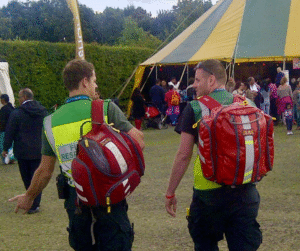
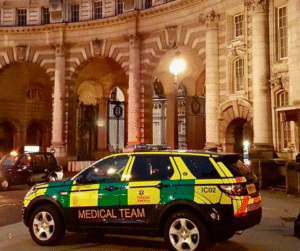
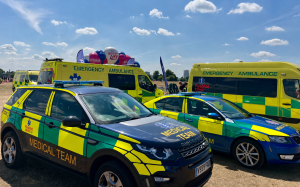
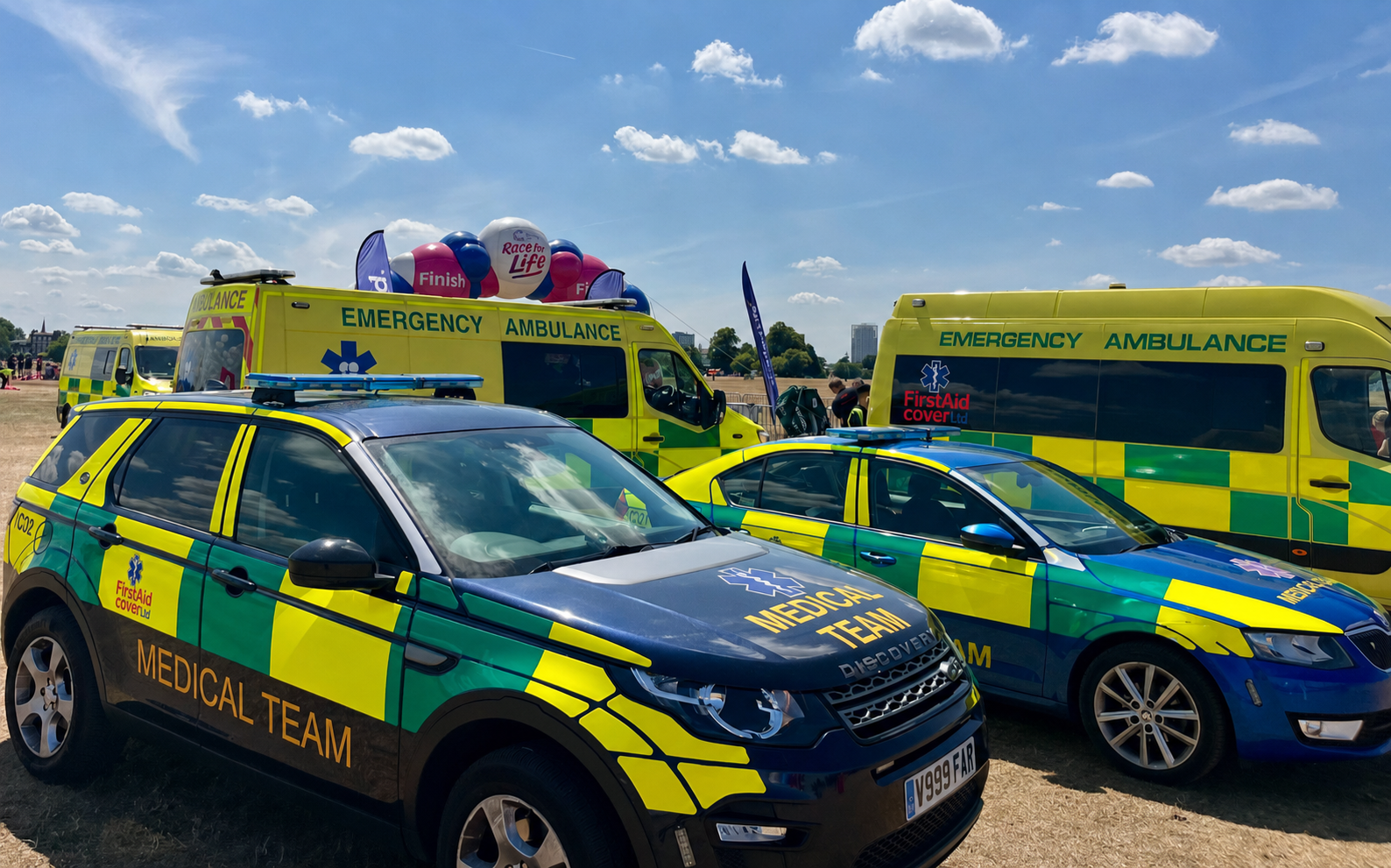
Depending on the route, cover may include static first aid points, roaming first aiders, cycle response teams, 4x4s, rapid response vehicles or other mobile units.
Mobile response is particularly useful for longer courses or routes where it would take too long for a static team to reach someone on foot.
Water Stations and Heat-Related Illness
Water stations are not a replacement for first aid cover, but they are an important part of medical risk management.
Dehydration and heat exhaustion can become significant risks, especially during warm weather or events involving less experienced runners.
Organisers should consider:
- Water availability before, during and after the run
- Additional water provision in warm weather
- Clear signage for water stations
- Volunteer briefing on signs of heat exhaustion
- Shade or cooling options where possible
- Whether the event should be adapted in extreme weather
Medical teams should be aware of water station locations and able to respond quickly if volunteers identify a participant who appears unwell.
Communication Between Marshals, Medics and Event Control
A good first aid plan depends on communication.
Every marshal and volunteer should know:
- Where the medical team is based
- How to contact medical support
- What to do if a participant collapses
- Who is responsible for calling 999
- Where ambulance access points are
- How to report an incident
- What information to give to event control
For larger running events, radios are often more reliable than mobile phones, especially where signal may be poor or where multiple people need to communicate quickly.
The course should be checked in advance for any communication dead zones so the event team can plan around them.
What Should Be in a Charity Run First Aid Plan?
A running event first aid plan does not need to be complicated, but it should be clear and practical.
It should include:
- Medical team roles and staffing levels
- Qualifications of first aiders or medical staff
- Start and finish medical cover
- Route medical cover
- AED locations
- Water station locations
- Medical post location
- Ambulance or response vehicle provision, if required
- Emergency services access points
- Communication procedures
- Escalation process for serious incidents
- Incident recording and reporting
- Post-event review process
For public events, road races or larger charity runs, this plan may also need to be shared with the council, venue, landowner, insurer or Safety Advisory Group.
Do You Need to Notify the Ambulance Service?
For larger or higher-risk running events, organisers may need to notify or liaise with the local NHS ambulance service in advance.
This is especially relevant where there are road closures, large crowds, significant public attendance, remote locations, high-risk routes or the possibility of multiple casualties.
The level of liaison needed will depend on the size and risk of the event. A small private fun run may not require formal ambulance service involvement, while a major mass participation event usually needs more detailed planning.
A professional event medical provider can advise on whether notification, liaison or a more formal medical operational plan is appropriate.
How First Aid Cover Supports Charity Runs and Fun Runs
At First Aid Cover, we provide medical cover for charity runs, fun runs, school events, corporate running challenges and mass participation events across London and the UK.
Our support can include:
- First aiders and first responders
- Paramedics, nurses and doctors where required
- AED provision
- Mobile medical response
- Cycle response teams
- 4x4s and rapid response vehicles
- Ambulance support
- Medical posts and treatment areas
- Event risk assessments
- Medical planning and operational support
We tailor every recommendation to the event, taking into account the route, participant numbers, terrain, weather, access points and organiser requirements.
Whether you are planning a small 5K fundraiser or a larger public running event, our team can help you put the right level of cover in place.
FAQs
How many first aiders do I need for a 5K fun run?
There is no fixed number that applies to every 5K fun run. The right level of first aid cover depends on participant numbers, route layout, terrain, weather, access and the risk profile of the event. A professional medical provider can assess the event and recommend suitable cover.
Does every running event need an AED?
AED provision should be strongly considered for running events because participants are undertaking physical exertion. The number and location of AEDs should be based on the route, event size and risk assessment.
How far in advance should I book medical cover for a charity run?
It is best to arrange first aid cover as early as possible, especially if your event needs council approval, road closures, venue permission, insurance documentation or a written medical plan.
What qualifications do running event first aiders need?
The qualifications needed depend on the event. Smaller, lower-risk events may need trained first aiders, while larger or higher-risk events may need first responders, paramedics, nurses, doctors or ambulance crews. The provider should explain who will attend and what they are qualified to do.
Do I need medical cover for a school fun run?
School fun runs still need appropriate first aid planning. The level of cover will depend on the number and age of children involved, the route, the venue, staff provision and any school or local authority requirements.
Book First Aid Cover for Your Charity Run or Fun Run
Charity runs and fun runs are rewarding events, but they still need careful medical planning. The right first aid cover helps protect participants, spectators, volunteers and organisers while keeping the event running smoothly.
First Aid Cover can help you plan the right level of support for your running event, from first aiders and AED provision to mobile response teams, ambulances and treatment areas.
Contact First Aid Cover today to request a free quote for your charity run, fun run, 5K, 10K or mass participation event.